
A moderate loner is someone who socializes a bit, so no one will realise that they only like their own company.
Me
I think being a loner these days is a difficult thing. We are required to be open and committed, to work as part of a team and to be a perpetually positive members of the community. ‘Moderate loners’ like me are treated like freaks or eccentrics, sometimes I feel like I see hostility (it’s probably my nervous face when I try to focus and I look like I’m angry then). Isolation is seen as an offshoot of emotional problems (hands up who doesn’t have them; really? put those hands down…) or depressive states.
I have to admit as a ‘professional’ introvert I often hear that I should do something about it because life is running its course and I’m standing still. It’s hard for a regular mortal to understand that we just like to spend time with ourselves. Even as a child I was very shy and was one of the lucky ones with a huge imagination, a huge heart and weak self-esteem. Such an endlessly introverted child I would sink my teeth into reading and imagine a very different life. In it, I was brave, confident and quite comfortable with the general perception of the world outside.
Then there was college (dun dun dun…). It was a period of so-called trying to connect with other people, I was just open to new challenges. What ensued was a string of ups and downs (mostly embarrassing ones… ugh…), a lot of consumed alcohol, totally awkward attempts at dating, a lot of bad decisions, and a bunch of people of all calibres (like in The Rocky Horror Picture Show). This closes the period in which I tried to change. I’ve reinforced the fact that change by force leads to disaster or embarrassment.
Now I am socially awkward, and talking to other people feels like taking a bitter medicine. I don’t want you to think that I feel bad about this fact. I think I’ve accepted it in a way and I’m not ashamed of it anymore. Furthermore, I notice people of my kind around me. They, too, put a lot of effort into talking about the weather and the nervousness apparent in the smile that accompanies this is a complete picture of the internal struggle between deciding to run away and bravely continuing the conversation further (perhaps on another topic?!). And here I must point out that knowing that I am not the only one around gives me the courage and allows me to breathe because I enjoy my own company, without belittling others.
In fact, being a ‘loner’ has also a whole host of positives. We develop our passions without needing the approval of others, we are more likely to deal with problems on our own, we are great researchers, we enjoy the small things and don’t try to base our happiness on others, we are more tolerant, we treat every achievement as a personal success.
However, I do not want to urge you here to ignore your problems or try to deal with them by yourself if it’s hard. Sometimes you have to ask for help, even if it is difficult (drowning your sorrows in alcohol helps at first, but then you have a huge hangover). However, at a time when everything is done on the run, maybe it’s worth stopping for a moment and being with yourself. Refresh your priorities and think about what ‘I really want…’.
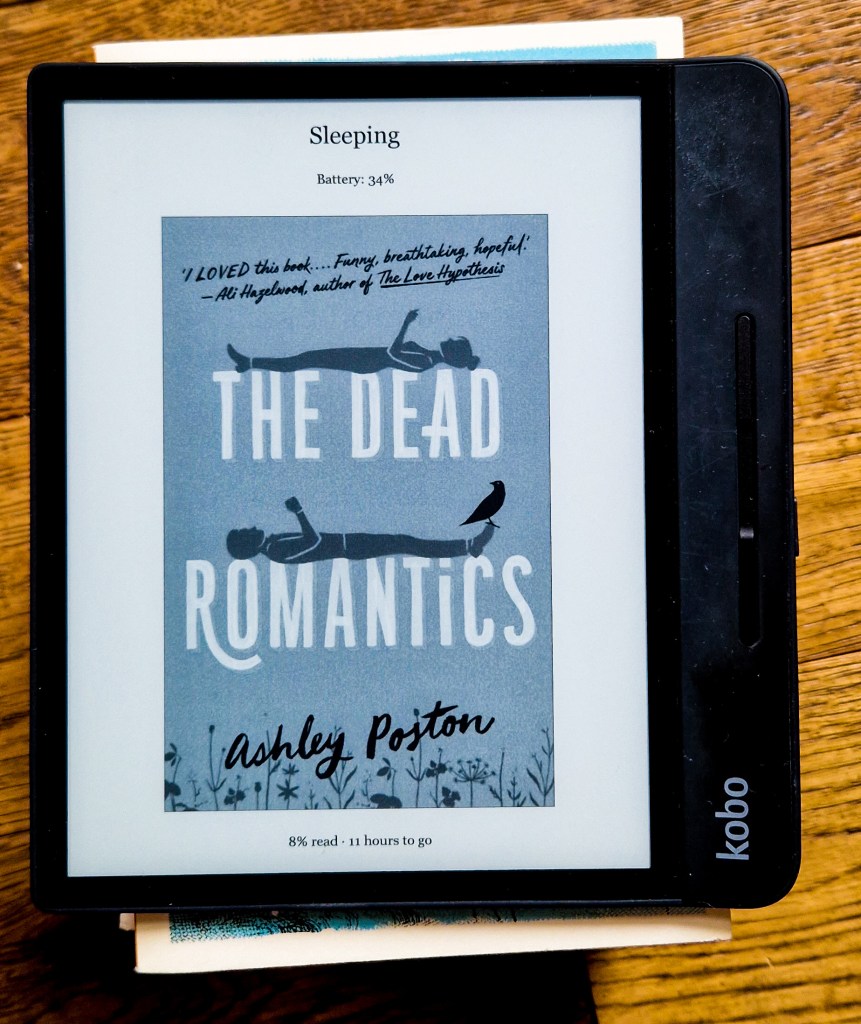
The few books that I recommend (apart from the doses of romance that always put me in a good mood, that’s why I am reading The dead romantics by Ashley Poston right now, which is a serious dose of laughter, heartwarming, sometimes heartbreaking with surprising plot) are the ones that have given me food for thought and helped me get my priorities in order:

“In her late forties Sara Maitland moved out of the city and fell in love with silence. In this profound and evocative book, Maitland explores this fascination, delving into the darkness and euphoria that silence can bring, and considering its cultural history. She contemplates the experience of silence – from her own nights in the Sinai desert and weeks on the Isle of Sky to the accounts of travellers and mystics – and argues for its importance in a world increasingly addicted to noise.”7
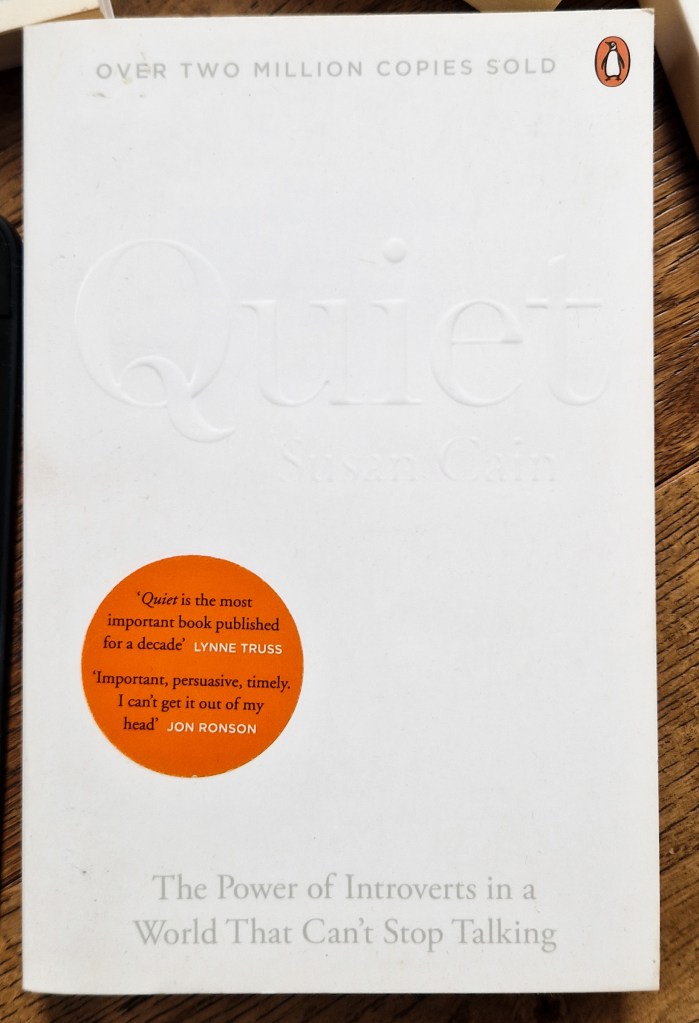
“The book that started the quiet revolution. For far too long, those who are naturally quiet, serious or sensitive have been overlooked. The loudest have taken over – even if they have nothing to say. It’s time for everyone to listen. It’s time to harness the power of introverts. “
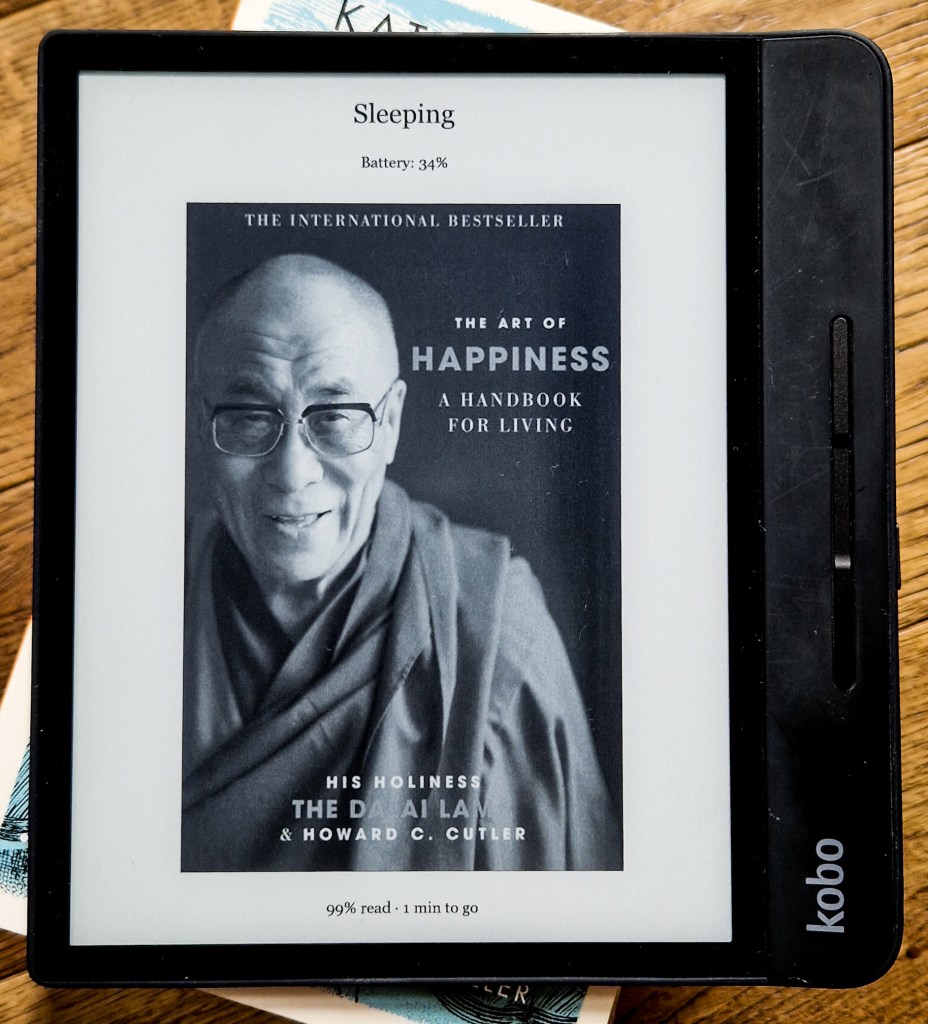
“The Art of Happiness is a highly accessible guide for a western audience, combining the Dalai Lama’s eastern spiritual tradition with Dr Howard C. Cutler’s western perspective. Covering all key areas of human experience, they apply the principles of Tibetan Buddhism to everyday problems and reveal how one can find balance and complete spiritual and mental freedom.”

“Osho is known as one of the most provocative teachers of our times. ‘The idea of rebellion is not new’, he has said, ‘but the idea of rebellion combined with enlightenment is absolutely new – it is my contribution ‘. This book shows the accuracy of this self-assessment. Critical of the traditional religious for rules and doctrines that impose a ‘psychological slavery’, he instead emphasizes personal responsibility and freedom.”
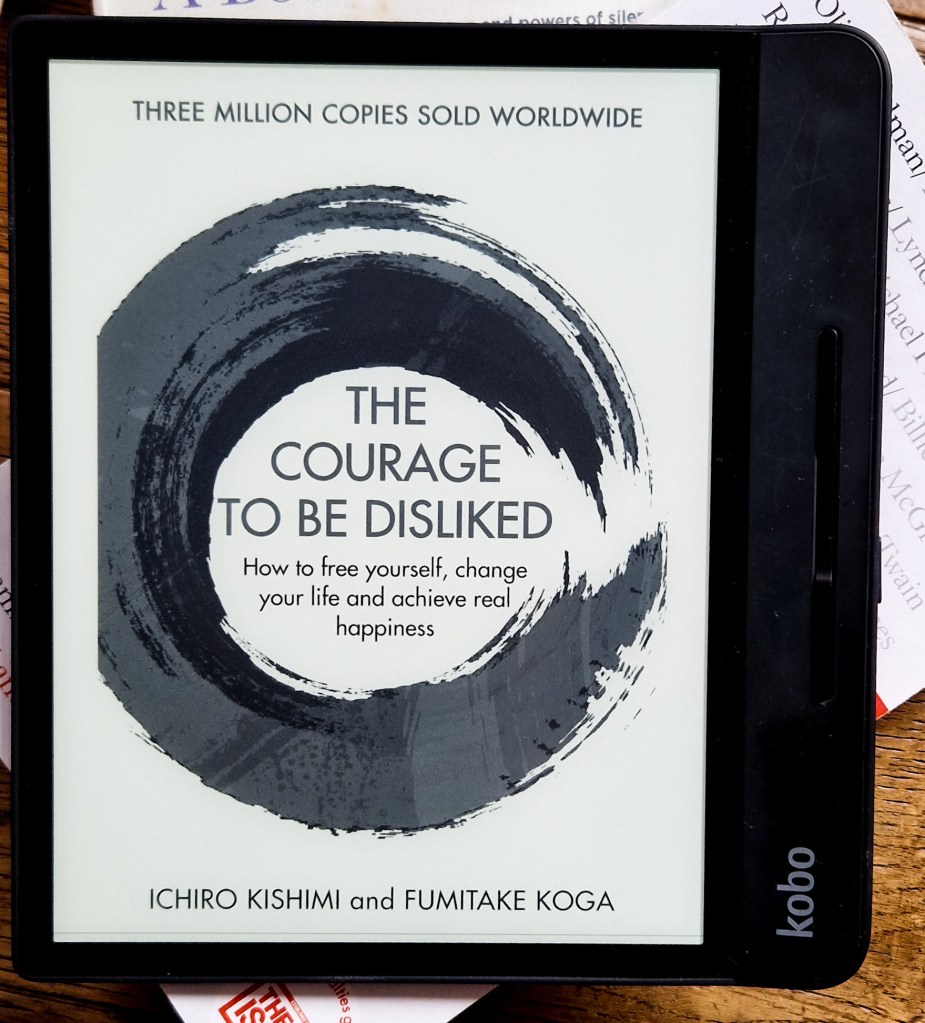
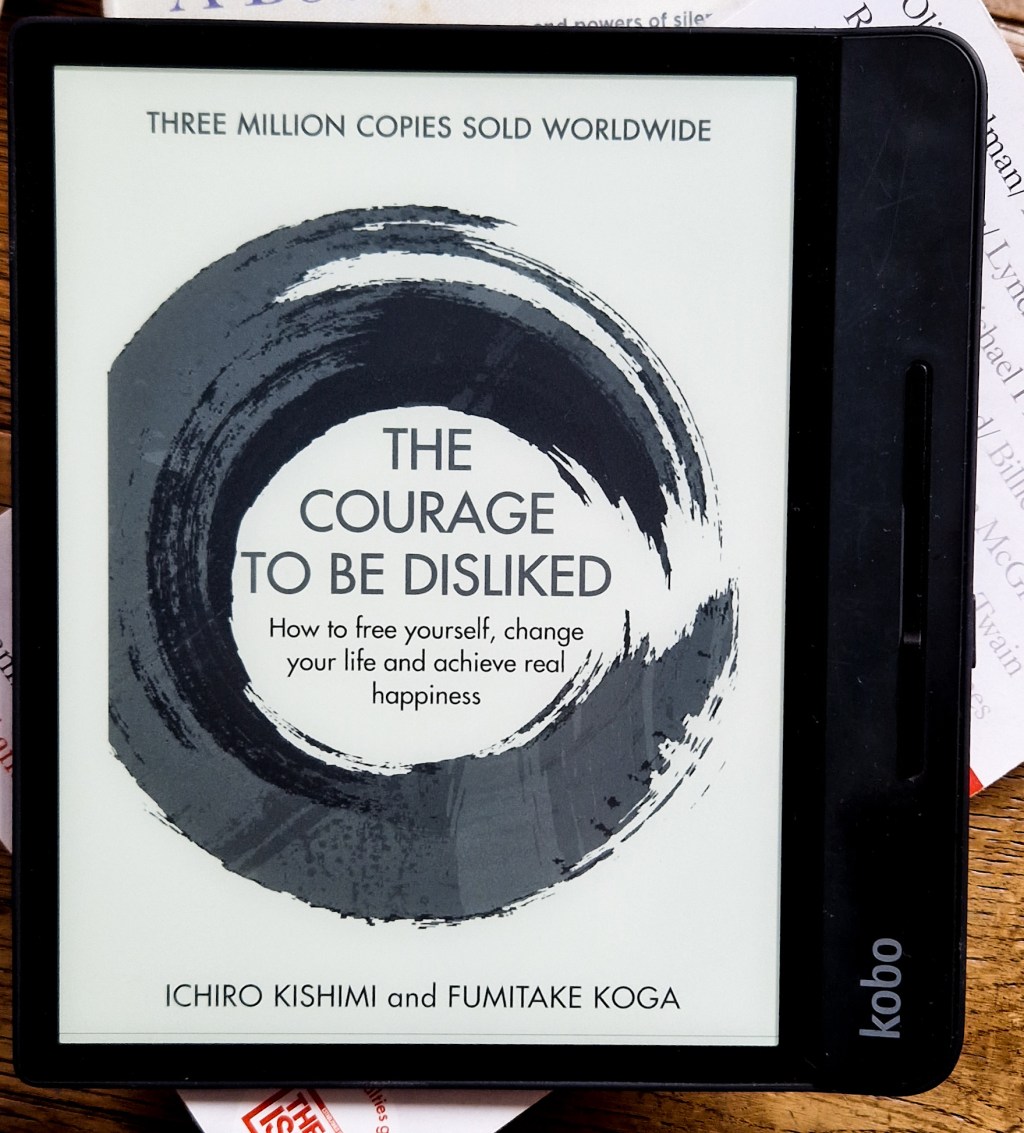
“The Courage to be Disliked shows you how to unlock the power within yourself to become your best and truest self, change your future and find lasting happiness. Using the theories of Alfred Adler, one of the three giants of 19th century psychology alongside Freud and Jung, the authors explain how we are all free to determine our own future free of the shackles of past experiences, doubts and the expectations of others. It’s a philosophy that’s profoundly liberating, allowing us to develop the courage to change, and to ignore the limitations that we and those around us can place on ourselves.”

“Over 10 years ago, The Big Issue began to ask well-known figures to give advice, offer hope and share a few jokes with their younger selves. They opened up in ways they never had, reflecting on their lives and themselves with affection, sympathy and, sometimes, disbelief.
This collection of 100 incredible letters includes Paul McCartney on how he found inspiration, Olivia Colman on overcoming confidence problems, Mo Farah on the importance of losing, Diane Abbott on self-belief, Jamie Oliver on trusting your instinct, and so much more.”
Yours L.

 another pile of books
Leave a comment